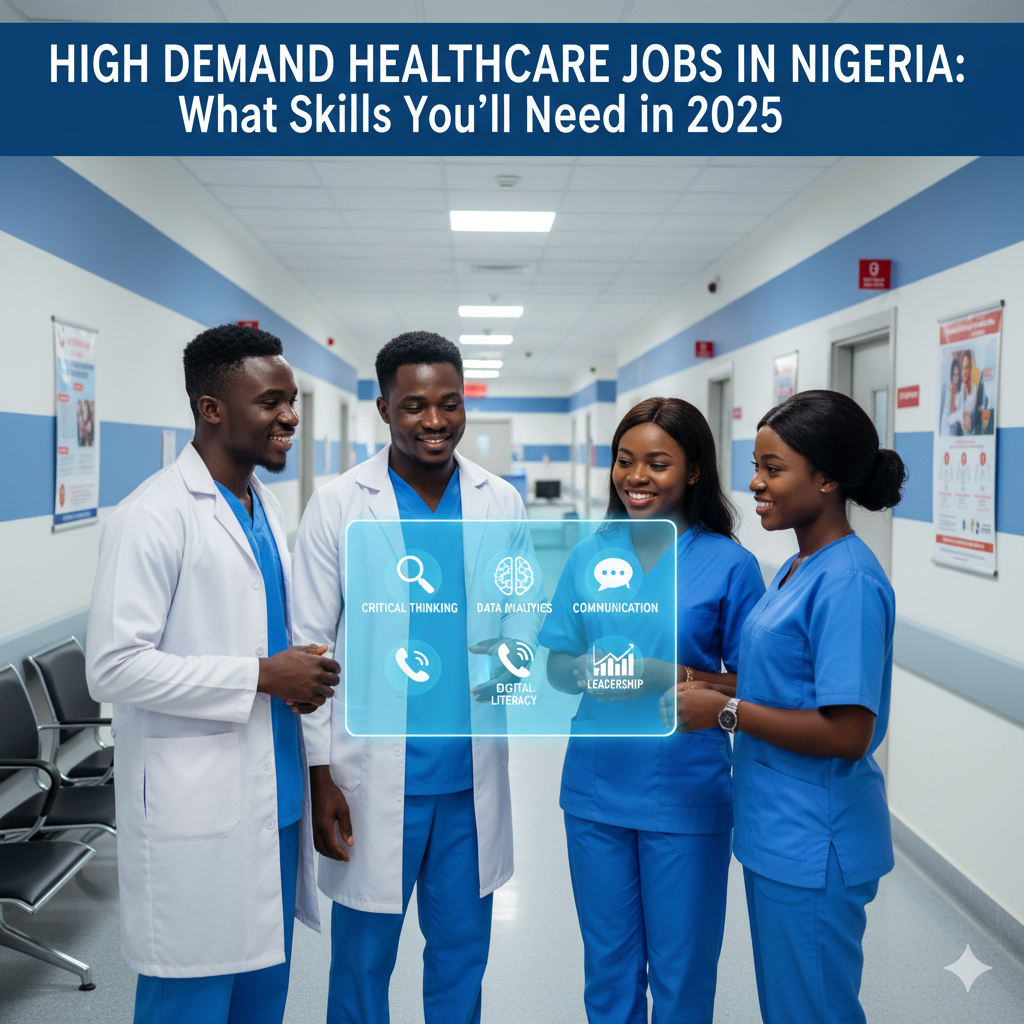
The healthcare landscape in Nigeria is on the cusp of a significant transformation. Driven by a growing population, an increasing awareness of health issues, advancements in technology, and the evolving global health environment, the demand for skilled healthcare professionals is skyrocketing. If you’re considering a career in this vital sector, or are already a professional looking to future-proof your skills, understanding where the opportunities lie and what competencies will be most valued by 2025 is crucial.
This isn’t just about filling existing roles; it’s about anticipating the needs of a dynamic health ecosystem that prioritizes efficiency, patient-centric care, and innovative solutions. Let’s delve into the roles that are set to experience the highest demand and the essential skills that will set you apart.
The Resurgence and Evolution of Core Healthcare Roles
While some roles have always been the backbone of healthcare, their modern iterations require a new set of capabilities.
1. General Practitioners (GPs) and Family Physicians:
The need for accessible primary healthcare remains paramount. GPs are often the first point of contact for patients, playing a critical role in early diagnosis, preventative care, and managing chronic conditions. By 2025, the demand for GPs with a holistic approach to patient care, capable of leveraging telemedicine, and adept at coordinating care across various specialists will be particularly high.
2. Specialized Nurses (e.g., Critical Care, Oncology, Pediatric, Geriatric):
Nursing has always been at the heart of patient care, but specialization is becoming increasingly vital. With rising rates of non-communicable diseases, an aging population, and the continuous need for advanced medical interventions, nurses with expertise in critical care, oncology, pediatrics, and geriatrics will be in extremely high demand. These roles require not just clinical excellence but also a deep understanding of complex care protocols and empathetic patient communication.
3. Medical Laboratory Scientists/Technicians:
Accurate diagnosis underpins effective treatment. As diagnostic technologies advance, so too does the need for skilled professionals who can operate sophisticated equipment, interpret complex lab results, and contribute to research. The ability to work with advanced molecular diagnostics, genetic testing, and automated laboratory systems will be a key differentiator.
4. Pharmacists (especially Clinical Pharmacists):
Beyond dispensing medications, pharmacists are increasingly becoming integral members of the healthcare team, especially clinical pharmacists who optimize drug therapy outcomes. Their role in medication management, patient counseling, and preventing adverse drug reactions will be indispensable. Pharmacists with a strong grasp of pharmacogenomics and digital dispensing platforms will be highly sought after.
5. Surgeons and Anesthesiologists (Specialized):
As medical tourism grows and surgical techniques become more refined, the demand for highly skilled surgeons in various specializations (e.g., neurosurgery, orthopedics, cardiothoracic) and competent anesthesiologists will continue to rise. Their expertise in complex procedures and patient safety is non-negotiable.
Emerging and Expanding Roles Driven by Modern Healthcare Needs
Beyond the traditional, several roles are gaining prominence due to technological advancements, public health challenges, and a shift towards more integrated care.
6. Health Informatics Specialists/Data Analysts:
Healthcare generates a massive amount of data. Professionals who can collect, analyze, interpret, and secure this data are crucial for improving patient outcomes, operational efficiency, and public health surveillance. Skills in big data analytics, electronic health record (EHR) systems, and cybersecurity will be invaluable.
7. Public Health Professionals/Epidemiologists:
The recent global health crises have underscored the critical importance of public health. Experts in epidemiology, health policy, health promotion, and disease surveillance will be essential for developing robust public health strategies and responding to future health challenges effectively.
8. Biomedical Engineers/Technicians:
As hospitals acquire more advanced medical equipment, from MRI machines to robotic surgical systems, the need for professionals who can install, maintain, repair, and even design these technologies will be paramount. A blend of engineering expertise and medical knowledge will define success in this field.
9. Telemedicine Coordinators/Specialists:
Telemedicine is no longer a luxury but a necessity, especially in a country with geographical disparities in healthcare access. Professionals skilled in managing virtual consultations, setting up telehealth platforms, and providing remote patient monitoring will play a pivotal role in expanding healthcare reach.
10. Mental Health Professionals (Psychiatrists, Psychologists, Counselors):
There’s a growing recognition of mental health as an integral part of overall well-being. The demand for qualified psychiatrists, clinical psychologists, and counselors is on a sharp upward curve as societal stigma reduces and access to mental health services improves.
The Essential Skills You’ll Need in 2025
Regardless of the specific role, certain cross-cutting skills will be absolutely critical for success in Nigeria’s healthcare sector by 2025.
1. Digital Literacy and Tech Proficiency:
This is non-negotiable. From electronic health records (EHRs) and telemedicine platforms to diagnostic imaging systems and AI-powered tools, a strong grasp of digital technologies is essential. This includes data entry, software navigation, and an understanding of digital security protocols.
2. Critical Thinking and Problem-Solving:
Healthcare often presents complex, high-stakes situations. The ability to analyze information quickly, make sound decisions under pressure, and develop effective solutions is paramount. This skill extends to diagnosing rare conditions or optimizing hospital workflows.
3. Communication and Interpersonal Skills:
Effective communication is the cornerstone of patient care and team collaboration. This involves active listening, clear verbal and written communication, empathy, and the ability to explain complex medical information in an understandable way to patients and their families. It also includes collaborating seamlessly with multidisciplinary teams.
4. Adaptability and Resilience:
The healthcare sector is constantly evolving with new treatments, technologies, and public health challenges. Professionals must be adaptable to change, willing to continuously learn, and resilient in the face of demanding and often emotionally taxing work environments.
5. Data Interpretation and Analytical Skills:
With the explosion of health data, the ability to interpret lab results, patient statistics, research findings, and epidemiological trends will be crucial for informed decision-making, both at the individual patient level and for public health initiatives.
6. Empathy and Cultural Competence:
Nigeria is a diverse nation. Healthcare professionals must approach every patient with empathy, respect their cultural beliefs, and understand how socio-economic factors can impact health outcomes. Cultural competence fosters trust and improves patient engagement.
7. Teamwork and Collaboration:
Modern healthcare is rarely a solo endeavor. The ability to work effectively within multidisciplinary teams – including doctors, nurses, pharmacists, therapists, and administrators – is vital for comprehensive patient care and efficient service delivery.
8. Continuous Learning and Professional Development:
The medical field is characterized by rapid advancements. A commitment to lifelong learning through continuous medical education (CME), workshops, certifications, and staying updated with the latest research and best practices is not just an advantage but a necessity.
9. Ethical Reasoning and Professionalism:
Upholding the highest ethical standards, maintaining patient confidentiality, and demonstrating unwavering professionalism are fundamental to building trust and ensuring quality care.
10. Basic Business Acumen (for some roles):
For those in administrative, managerial, or even some specialized clinical roles, an understanding of healthcare economics, resource management, and operational efficiency can be a significant asset, especially in private healthcare settings.
Preparing for Tomorrow’s Healthcare Demands
To thrive in Nigeria’s healthcare sector by 2025, aspiring and current professionals must be proactive. Invest in specialized training and certifications in your chosen field. Seek out opportunities that expose you to new technologies and digital health platforms. Actively cultivate your soft skills – communication, empathy, and teamwork – as these are often as critical as clinical knowledge.
The future of healthcare in Nigeria is bright with opportunity, but it demands a workforce that is not only clinically proficient but also technologically savvy, adaptable, and deeply committed to patient well-being. By focusing on these high-demand roles and honing these essential skills, you can position yourself for a truly impactful and rewarding career.
High Demand Healthcare Jobs in Nigeria: What Skills You’ll Need in 2025.